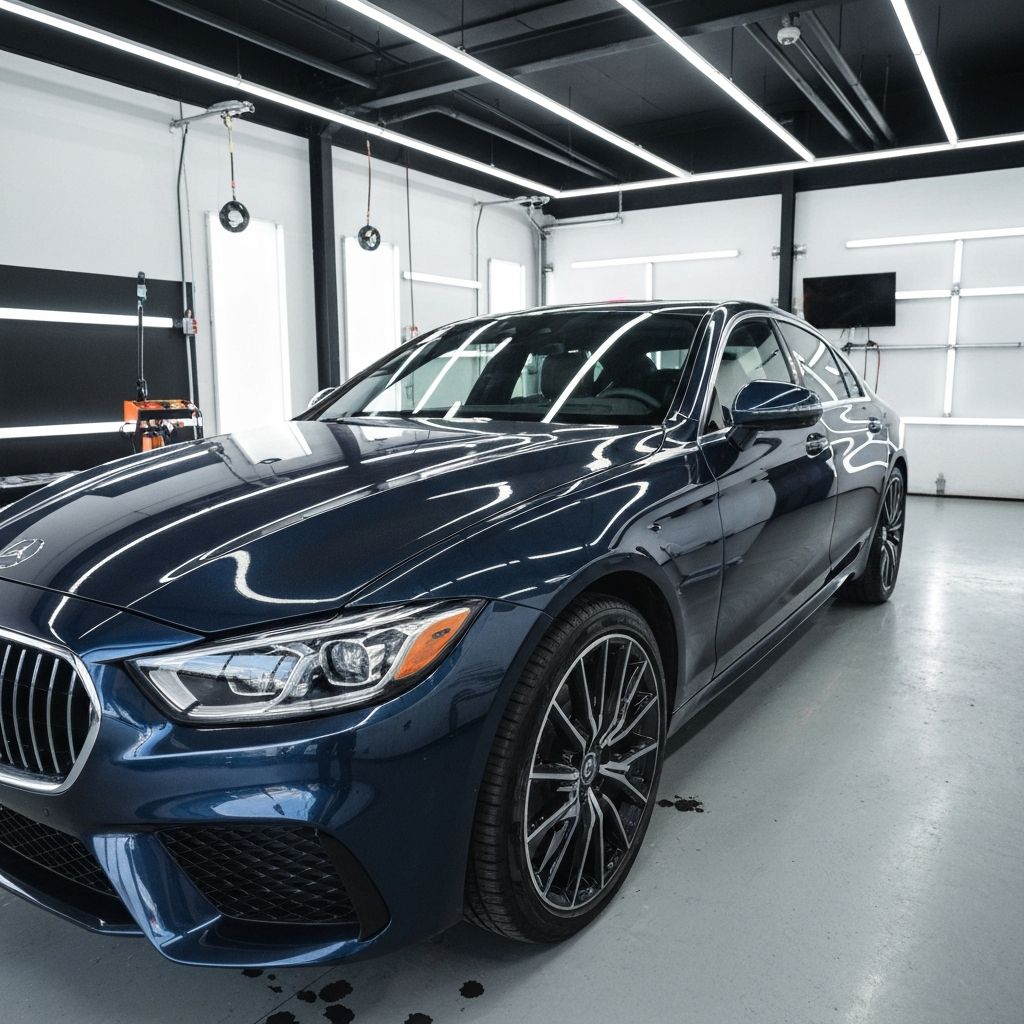
In San Antonio's brutal climate—where summer temperatures regularly exceed 100°F and UV intensity rivals the harshest desert environments—traditional wax simply cannot provide adequate protection. Your vehicle needs something stronger, something that bonds at the molecular level to create an impenetrable shield.
At One Detail at a Time, located at 11692 Bricken Circle (78233), I specialize in professional ceramic coating installation using IDA-certified techniques that ensure maximum durability and protection for South Texas conditions.
Understanding Ceramic Coating Technology
Ceramic coating, also known as nano-ceramic coating, is a liquid polymer containing silicon dioxide (SiO₂) that chemically bonds to your vehicle's factory clear coat. Unlike wax or sealants that sit on top of the paint, ceramic coating becomes a permanent part of your paint system.
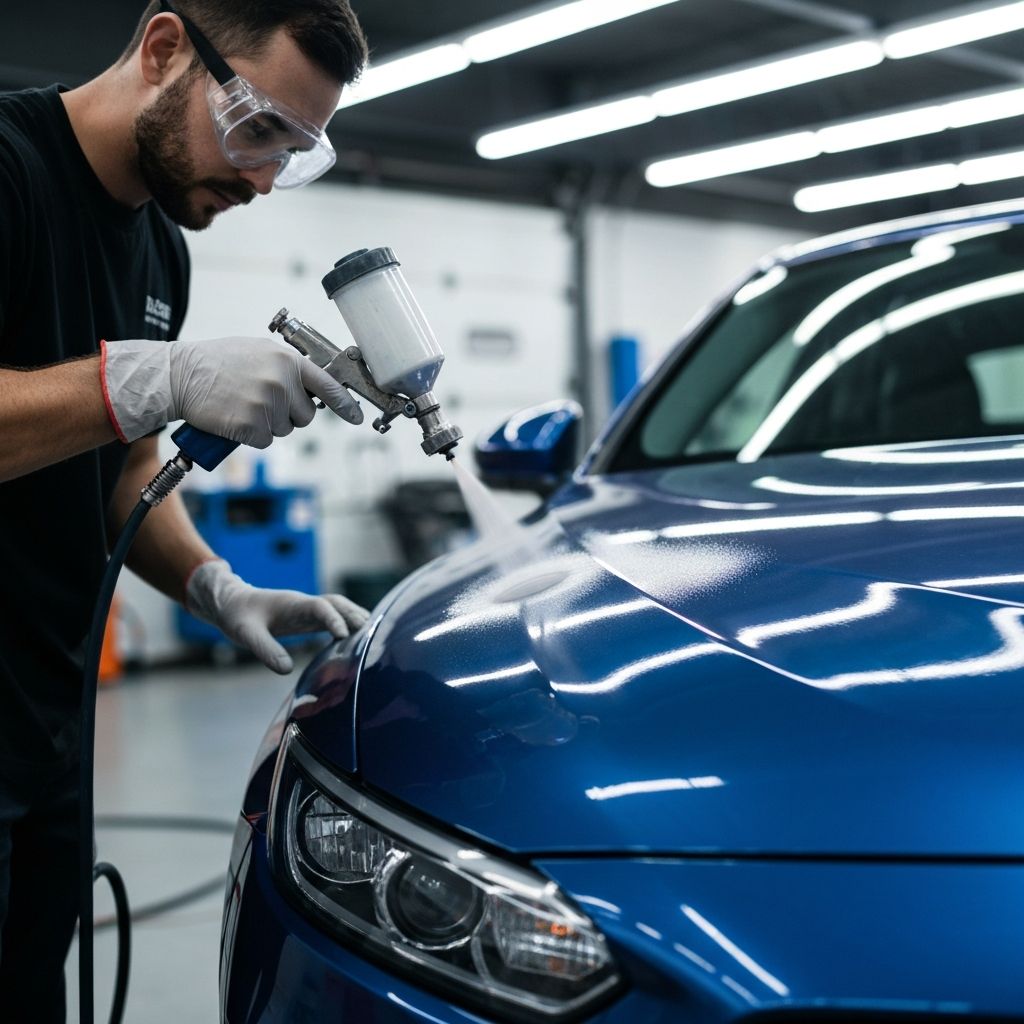
How Nanotechnology Works
The nano-particles in ceramic coating are incredibly small—measured in nanometers (one billionth of a meter). This allows them to fill microscopic pores in your clear coat, creating an ultra-smooth, hydrophobic surface that repels water, dirt, and contaminants. The result is a surface so slick that contamination cannot bond to it.
Protection Tier Comparison
Traditional Wax
1-3 Months
- • Warm, natural glow
- • Minimal UV protection
- • Frequent reapplication
- • Melts in Texas heat
Synthetic Sealant
4-9 Months
- • Better UV resistance
- • Moderate hydrophobicity
- • Semi-annual application
- • Degrades with heat
Ceramic Coating
2-7 Years
- • Superior UV blocking
- • Extreme hydrophobicity
- • Chemical resistance
- • Heat stable to 1500°F
Graphene: The Next Generation
Graphene-infused ceramic coatings represent the cutting edge of paint protection technology. Graphene—a single layer of carbon atoms arranged in a hexagonal lattice—offers properties that make it ideal for San Antonio's extreme conditions.
Graphene Advantages for Texas Heat
- Superior Heat Dissipation: Graphene conducts heat away from the surface, preventing water spotting when washing in direct sunlight
- Anti-Static Properties: Reduces dust attraction—critical during San Antonio's dusty spring months
- Self-Healing Potential: Some formulations exhibit minor scratch healing when exposed to heat or warm water
- Extended Durability: The carbon structure provides additional resistance to UV degradation
The Professional Application Process
Proper ceramic coating installation is a multi-day process that requires controlled conditions and meticulous attention to detail. This is why professional application is essential—DIY kits cannot replicate the durability of professional-grade coatings.
Decontamination
Chemical and mechanical removal of all bonded contaminants via iron remover and clay bar treatment
Paint Correction
Multi-stage polishing to remove swirls, scratches, and oxidation before coating
Surface Prep
IPA wipe to remove all oils and residues, revealing pristine paint surface
Coating Application
Panel-by-panel application with precise leveling and curing times
Infrared Curing
Controlled heat curing to ensure maximum hardness and durability
Industry Standard: According to the International Detailing Association, proper paint correction before ceramic coating is mandatory—not optional. Applying coating over defects will permanently seal in swirl marks and scratches, making them impossible to remove without stripping the coating entirely.
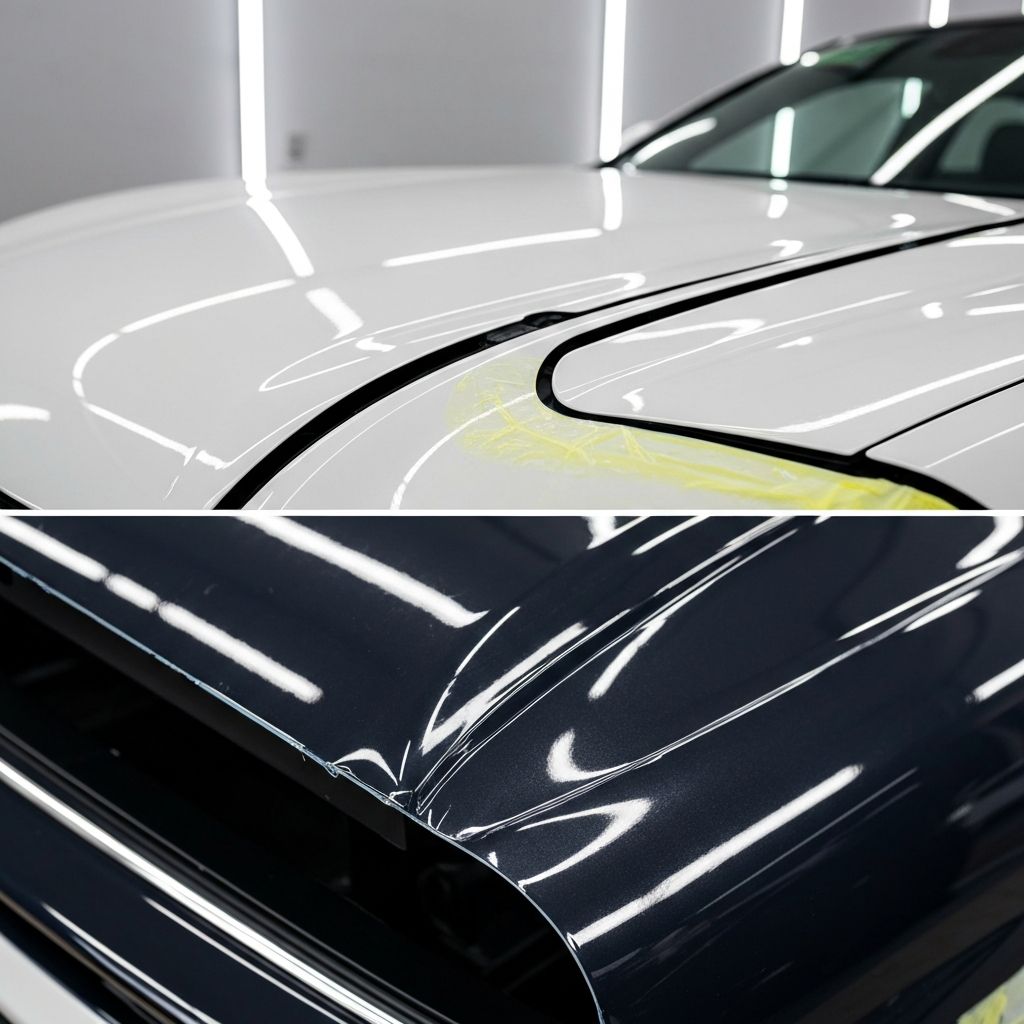
Paint Protection Film (PPF)
For maximum physical protection against rock chips on high-traffic corridors like I-10 and Loop 1604, Paint Protection Film provides an additional layer of defense that ceramic coating alone cannot match.
Protect Your Investment
Every ceramic coating installation supports Junior Achievement of South Texas with our 10% donation commitment. Protect your vehicle while investing in our community's future leaders.