If you're searching for the best auto detailing in San Antonio, you need to understand that the difference between a "wash" and a "detail" often comes down to a critical process called claying. In the context of a professional automotive detailing guide, claying is defined as the use of a putty-like resin to perform mechanical decontamination—pulling away bonded surface impurities that regular washing simply cannot shift.
The Role of Claying in Mechanical Decontamination
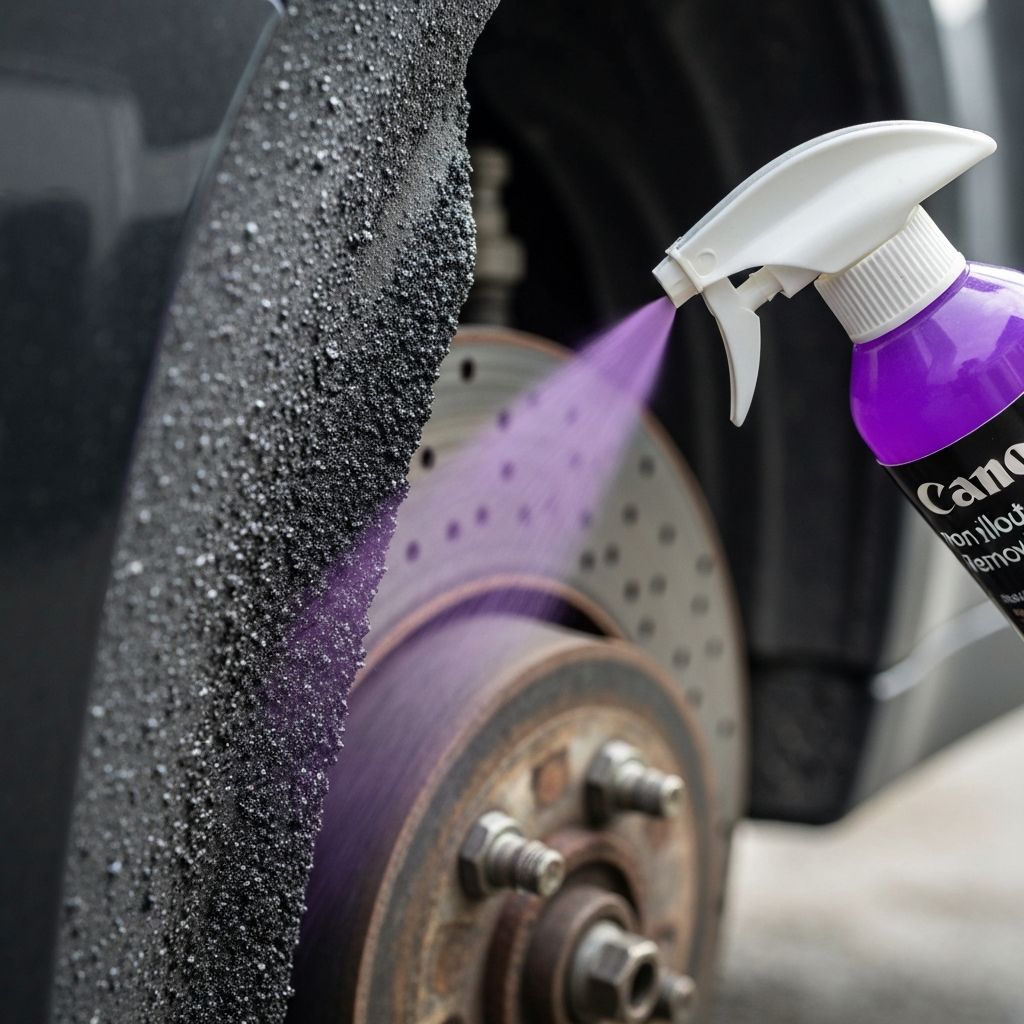
Decontamination is the bridge between cleaning a vehicle and restoring its surface. While chemical decontamination uses liquids to dissolve specific pollutants, claying is the primary form of mechanical decontamination.
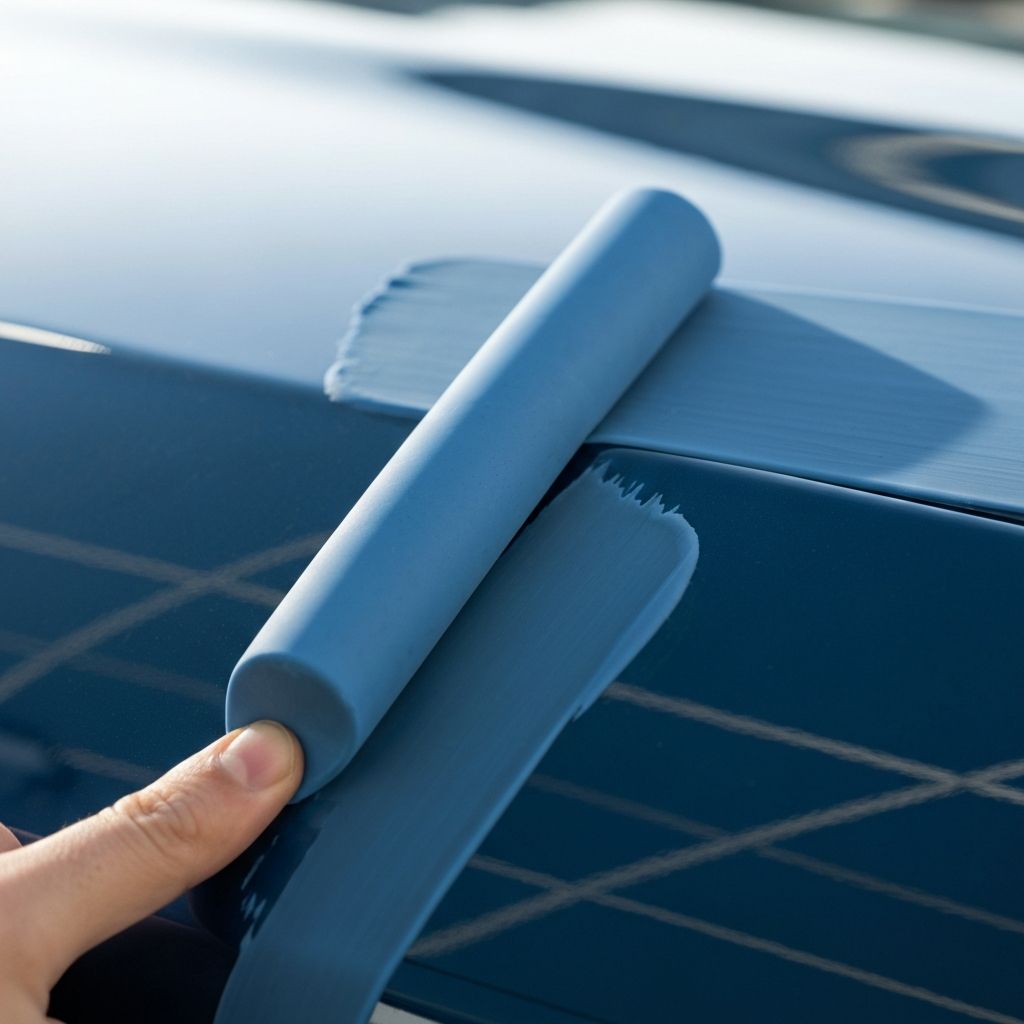
How Clay Bar Works
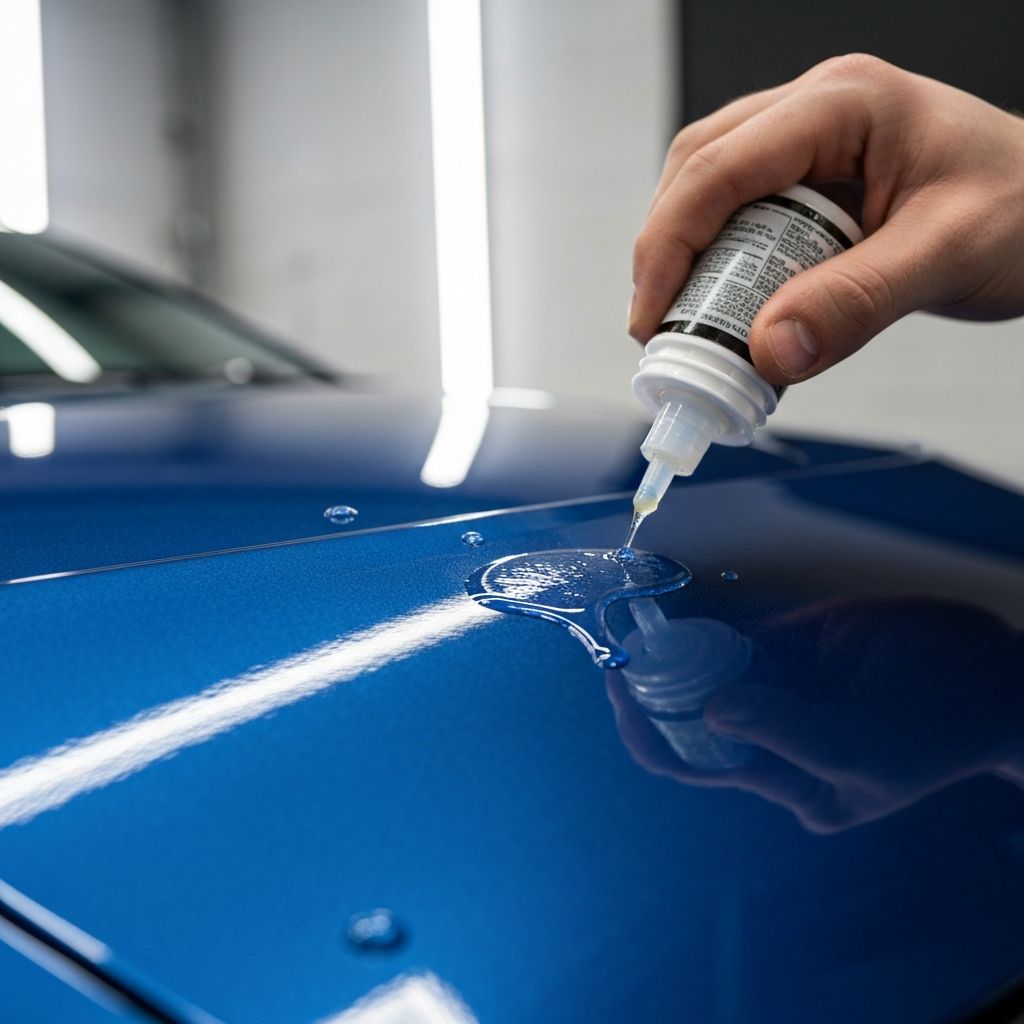
The clay is glided over the surface using a specialized clay lubricant to minimize friction. The material "grabs" embedded contaminants and extracts them from the microscopic "hills and valleys" of the clear coat.
Contaminants Removed:
- Industrial fallout
- Brake dust particles
- Tree sap residue
- Road grime & tar
- Mineral deposits
- Overspray
The Result: After a proper clay bar treatment, the paintwork should feel as smooth as glass.
Why Claying is a Technical Necessity
Skipping this stage before performing paint correction is a major mistake that compromises the entire project.
Surface Safety Risk
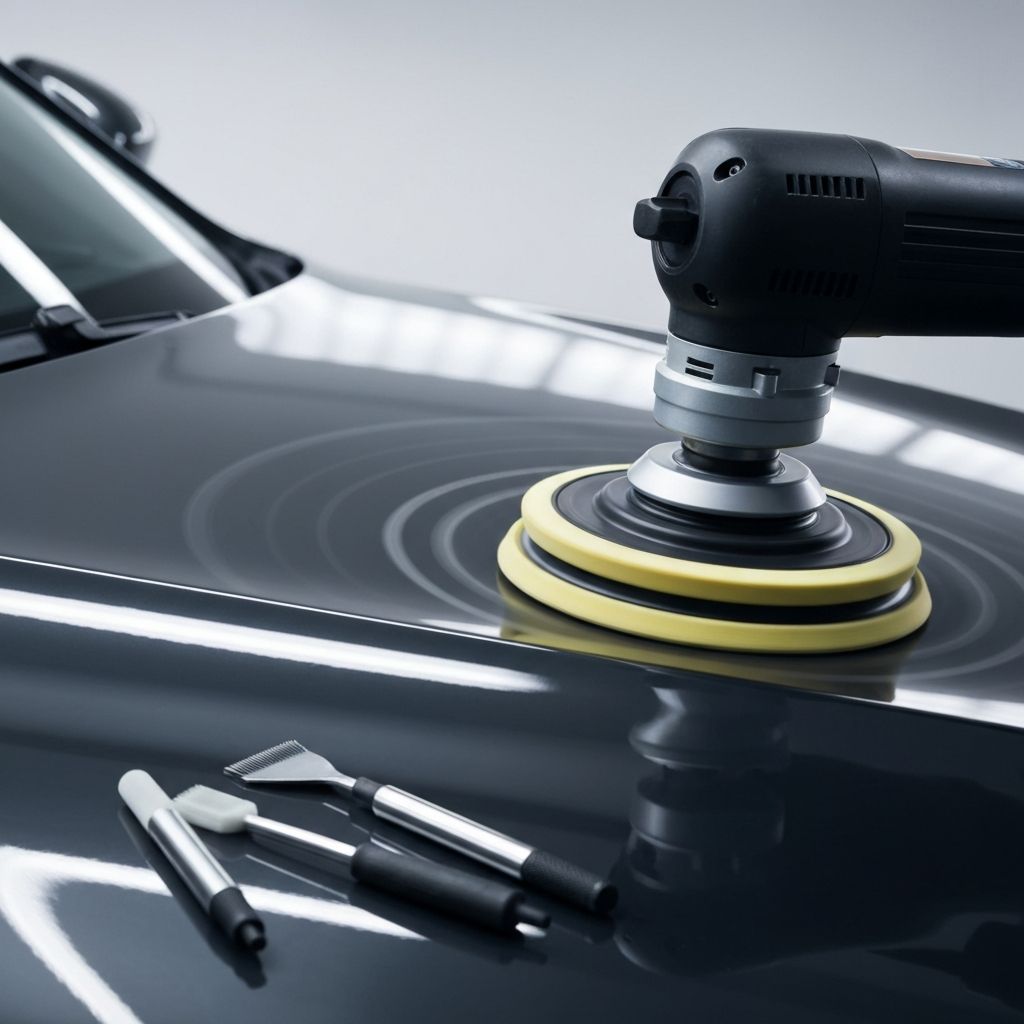
If a detailer attempts to use a machine polisher on a surface that hasn't been clayed, the abrasive pad will pick up the jagged embedded particles and drag them across the paint—creating deeper scratches and swirls than the ones being removed.
Bonding for Protection
Modern surface protection like silica sealants or ceramic coatings is designed to bond directly to a clinically clean clear coat. Contaminants act as a barrier, causing the protection to fail prematurely.
Visual Clarity
Claying removes surface oxidation and hazing, which immediately enhances the refractive index of the paint—leading to increased gloss and depth of color.
The Professional Process & Evolution
The original polymer detailing clay was invented by Tadao Kodate to remove contaminants without harsh chemicals or aggressive sanding. Today, the industry has evolved to include various tools and techniques.
Grades of Clay
- Fine: Well-maintained vehicles, light contamination
- Medium: Most common, regular decontamination
- Heavy: Neglected paint, severe contamination
Modern Tools
- Traditional clay bars (most precise)
- Clay mitts (faster, reusable)
- Clay sponges (efficient for large vehicles)
Understanding Marring
It's important to know that claying is slightly abrasive and can cause "marring"—very shallow surface marks. Because of this, professional claying must always be followed by at least a light polish or paint correction to refine the finish.
Investing in Asset Preservation
A professionally clayed and maintained vehicle is more than just a pretty ride—it's a protected capital asset. Documenting these high-level auto detailing services through CARFAX integration can tangibly boost your vehicle's resale value by proving it has been maintained to a showroom standard.
The Complete Decontamination Sequence
- 1Two-Bucket Wash to remove loose contamination
- 2Iron fallout removal (chemical decontamination)
- 3Clay bar treatment (mechanical decontamination)
- 4Paint correction to refine and restore
- 5Ceramic coating for long-term protection
Industry Resources
Frequently Asked Questions
Experience Professional Decontamination
At One Detail At A Time, we treat your vehicle as a unique project—ensuring nothing goes untouched. 10% of profits support Junior Achievement of South Texas.