As an IDA-certified detailer in San Antonio, I understand that maintaining a vehicle in our unique climate requires more than just a standard hose-down. Whether you're looking for luxury hand wash services or need to maintain your ceramic coating, understanding advanced washing methods like rinseless and waterless techniques is essential for protecting your investment.
The Role of Rinseless Washing
A rinseless wash is a specialized technique that allows for cleaning a vehicle without the need for a final rinse—particularly beneficial in regions facing water restrictions or for detailers operating in a mobile capacity.
Process & Technical Efficiency
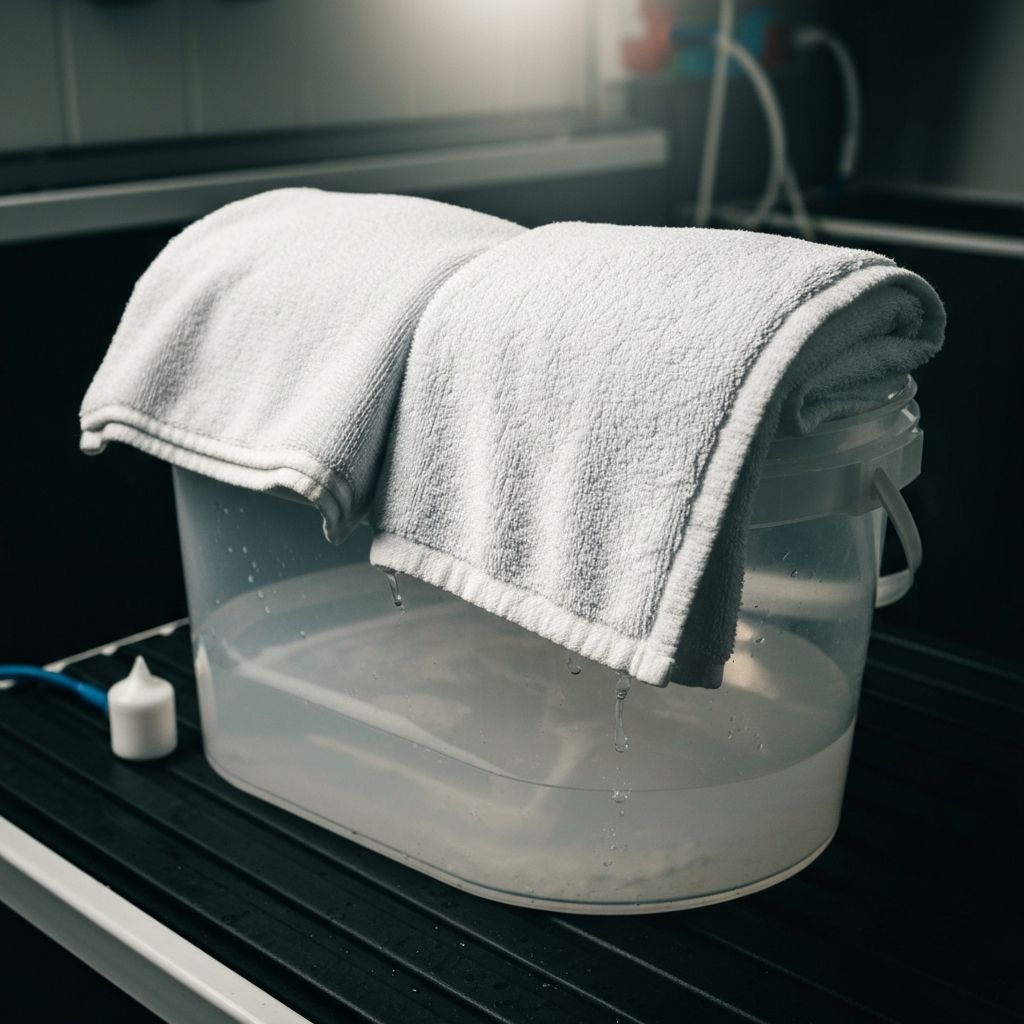
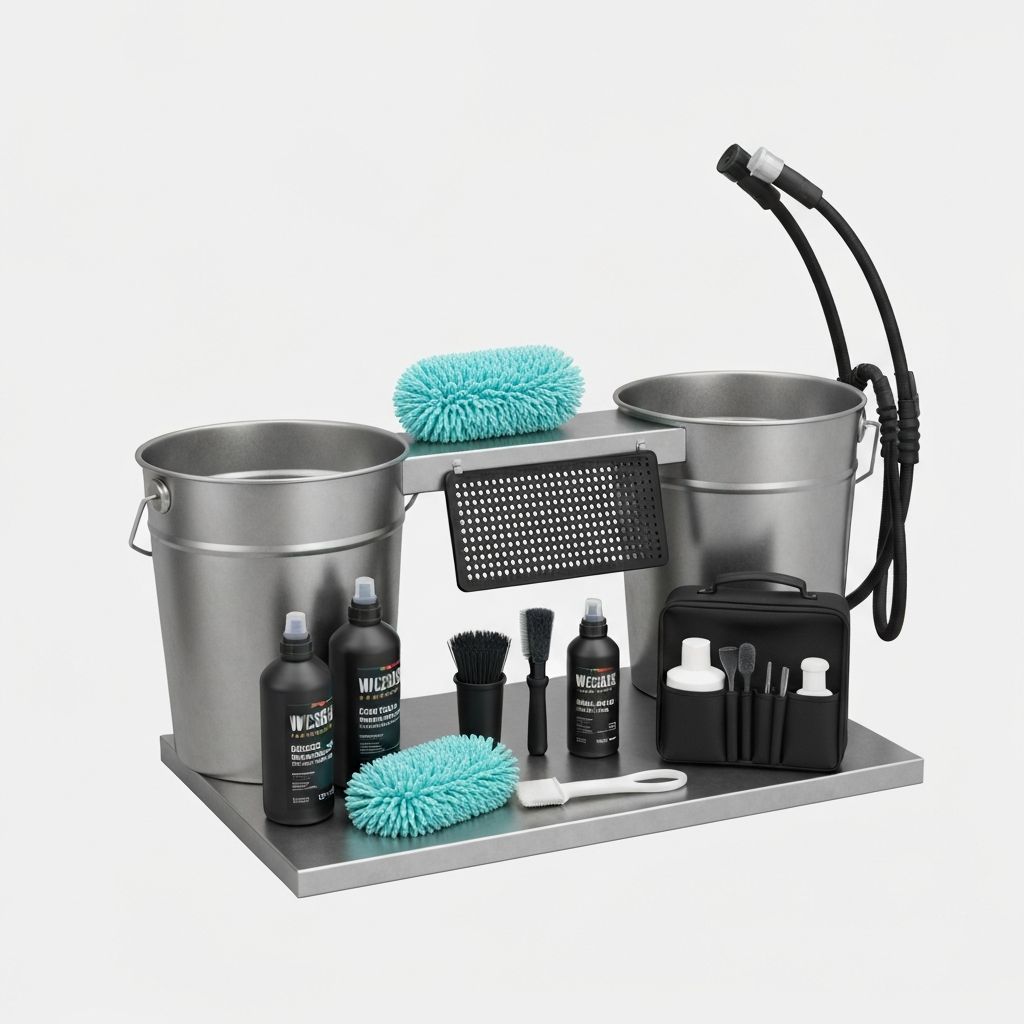
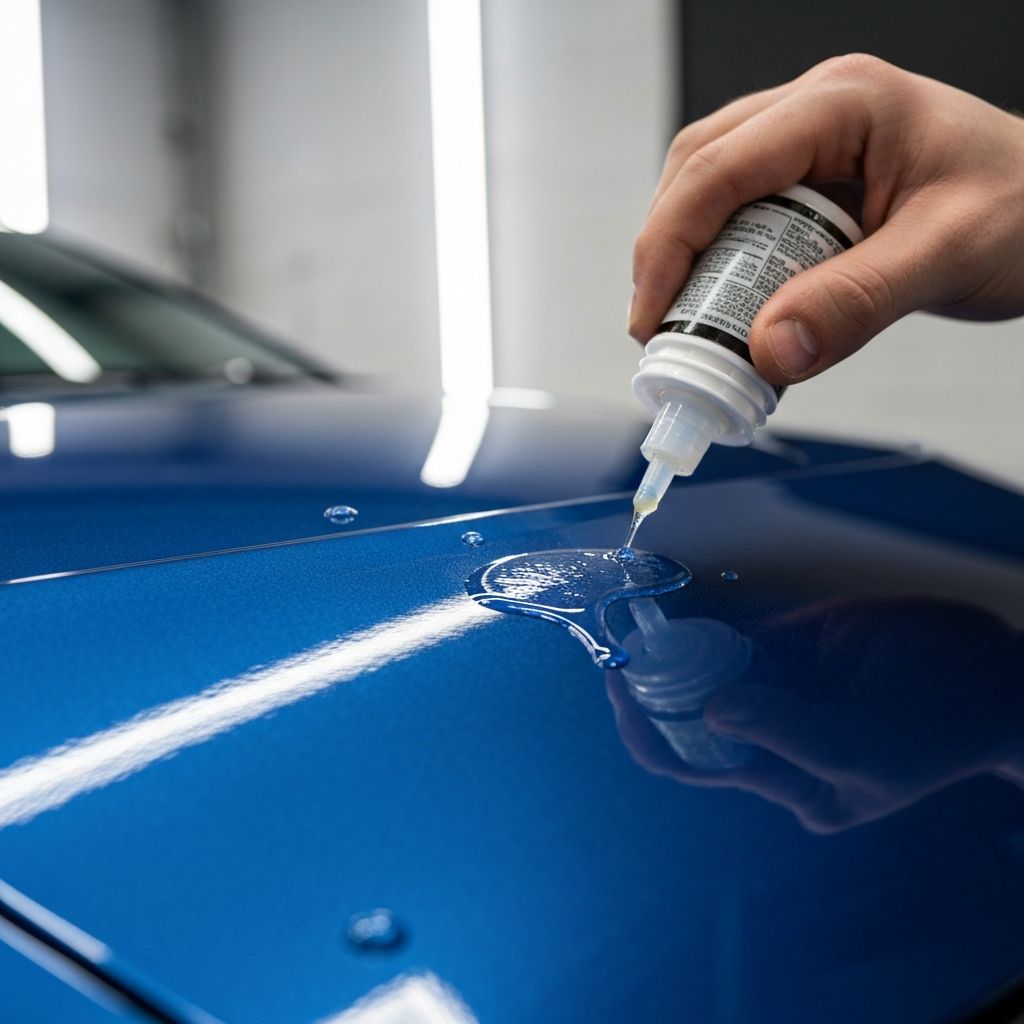
The method typically involves using two buckets: one for the rinseless wash product (diluted at a ratio of 1:200 to 1:250) and one for clean rinse water. The vehicle is cleaned one panel at a time, followed immediately by drying with a clean microfiber towel.
Benefits
- Uses only 1-2 gallons vs. 50-100 for traditional
- Prevents chemical runoff into city drains
- Saves significant time—no rinsing stages
Limitations
- Best for moderately contaminated surfaces
- Not suitable for heavy mud or caked grime
- Increases swirl risk if used improperly
The Garry Dean Method: A Hybrid Approach
The Garry Dean Method bridges the gap between waterless and rinseless washing while maximizing paint safety.
Towel-Based System
This process utilizes a bucket filled with 20-60 pre-soaked microfiber towels. Each towel is used only once per panel and then discarded, ensuring dirt is never reintroduced to the clean solution.
Because this method eliminates cross-contamination risk, it's highly effective at minimizing swirls—making it ideal for maintaining high-clarity finishes and paint correction results.
Waterless Washing: Maximum Convenience
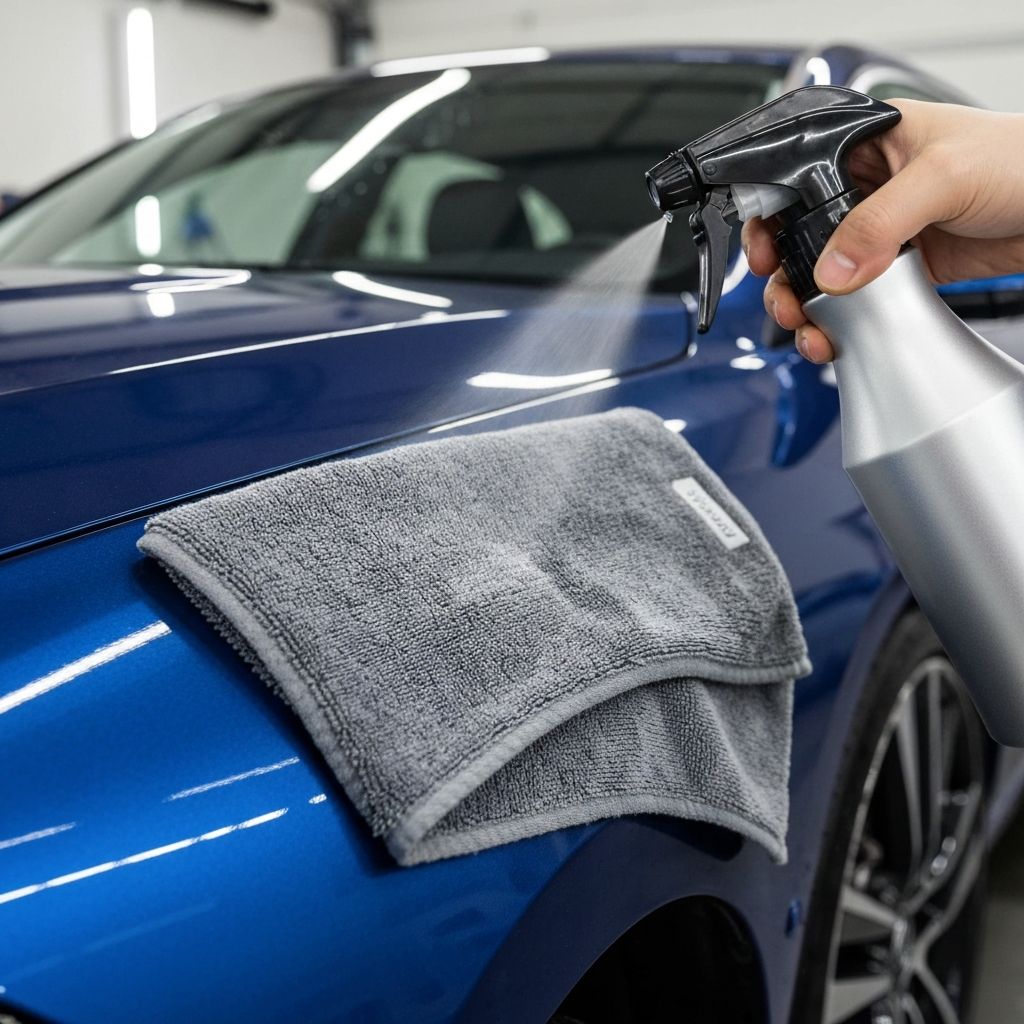
Waterless car detailing is a technique where no water is used to clean the surface, relying instead on high-lubricity spray products designed specifically for safe dirt removal.
How It Works
Waterless products contain high lubricating agents and cleaning surfactants that encapsulate dirt particles, allowing them to be wiped away safely with microfiber. Some formulas leave protective residue while others are residue-free for ceramic-coated vehicles.
Best Applications
- Parking lots and garages without water
- Car shows where water is prohibited
- Quick touch-ups between full details
Critical Safety Note
The primary risk of waterless washing is that all contamination is "rubbed around" by the towel during the initial wipe. To prevent damage, always use premium long-fiber microfiber towels and never apply pressure while wiping.
Context Within Traditional Washing
While rinseless and waterless methods offer efficiency, they're part of a broader spectrum that includes the Two-Bucket Method (2BM) and Three-Bucket Method (3BM).
- Safety Standards: Traditional methods with grit guards remain the gold standard for heavily soiled vehicles or as foundation for Level 3 paint correction
- Pre-Wash Synergy: Professional detailers often use snowfoam pre-wash to loosen contaminants before any physical contact
- Hydrophobicity Science: These methods respect your protective layer (LSP)—whether carnauba wax, silica sealant, or graphene coating—preserving beading and sheeting effects
Learn More
For additional information on eco-friendly detailing techniques:
Frequently Asked Questions
Eco-Conscious Detailing
At One Detail At A Time, we select the right method for your vehicle while conserving resources. Every service supports Junior Achievement of South Texas—10% of profits go to our community.